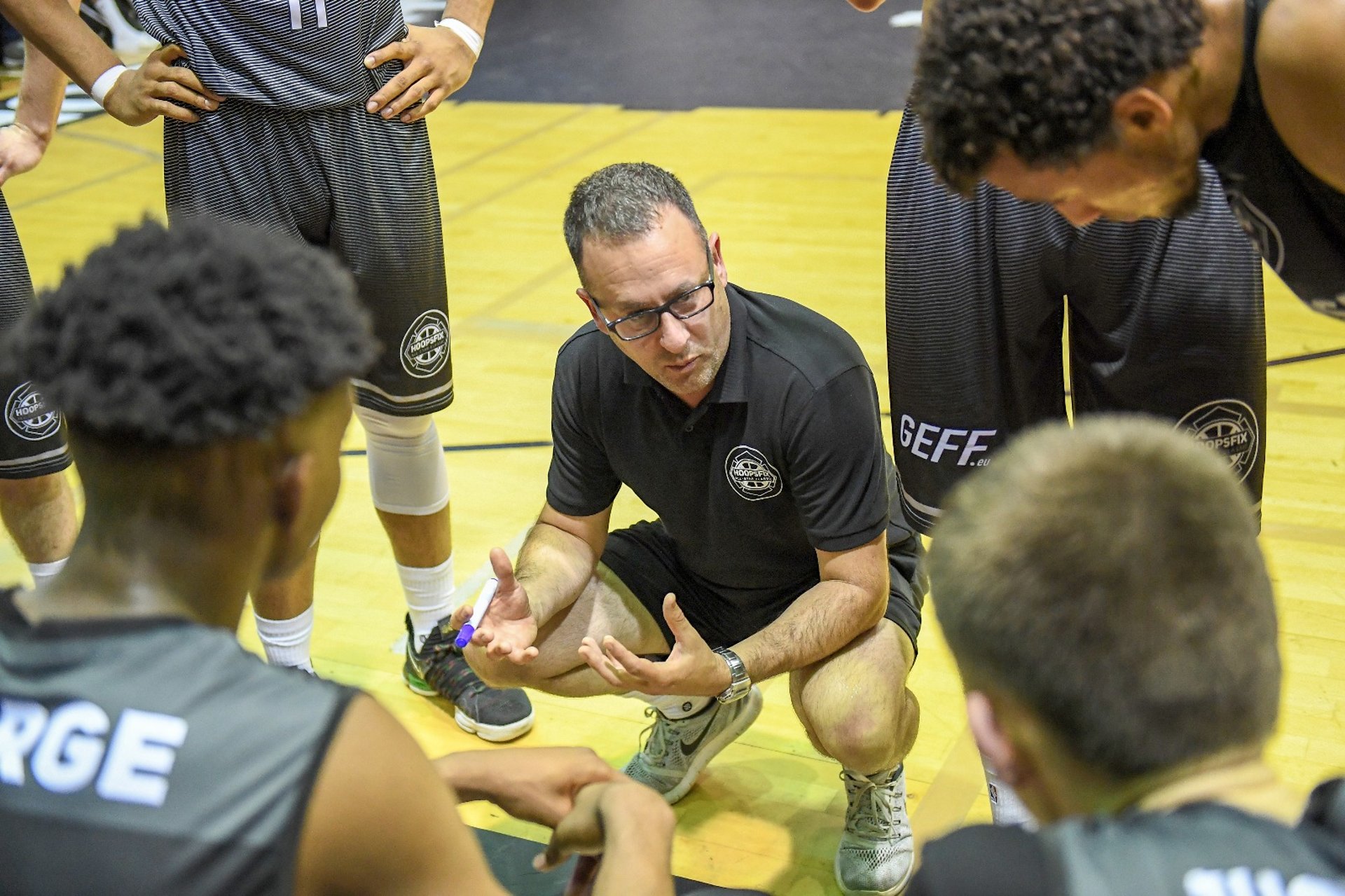
Emotional Intelligence Isn't Just Awareness. It's a Skill You Can Develop.
7/26/20262 min read
If you ask coaches, athletes or leaders what qualities matter most in high performance, emotional intelligence will almost always make the list.
We know it helps build stronger relationships. We know it improves communication. We know it creates trust, resilience and better decision making under pressure.
The challenge is that very few people know how to actually become more emotionally intelligent.
Too often, emotional intelligence is treated as a personality trait. Something you either have or you don't.
I don't believe that's true.
Emotional intelligence is a skill. Like any skill, it can be developed with the right awareness, practice and feedback.
One of the biggest barriers is that we naturally communicate in ways that make sense to us. When someone doesn't respond in the way we hoped, it's easy to conclude they weren't listening, weren't engaged or simply didn't care.
In reality, they may have understood something completely different.
The responsibility doesn't stop with delivering the message. It extends to making sure it can be received.
But emotional intelligence goes beyond communication.
It's the ability to recognise what a situation requires and consciously adapt your behaviour to give yourself and others the best chance of success.
Sometimes that means becoming more direct. Sometimes it means listening more. Sometimes it means slowing down, showing patience or stepping outside of your natural style because that's what the moment demands.
The best coaches and leaders don't simply rely on what comes naturally to them.
They adapt.
The same principle applies when supporting people through challenging situations.
Some athletes need direct, honest feedback immediately after a poor performance. Others need time to reflect before they're ready to listen. Some people are motivated by being challenged publicly, while others perform best when conversations happen privately.
Great coaches and leaders don't lower their standards.
They adapt how they communicate and behave to help each individual meet those standards.
The difficulty is knowing when to adapt—and how.
This is where personality profiling can become incredibly valuable.
Not because it labels people or puts them into boxes.
Quite the opposite.
A good profiling programme helps people understand what they naturally do, what requires more conscious effort and how those preferences influence the people around them. Just as importantly, it gives teams a shared language to talk about behaviour without judgement.
Instead of saying, "They're difficult," or, "That's just how I am," teams begin asking better questions.
What does this situation need from me?
How might this person need me to communicate?
What behaviour would be most effective right now?
That shared understanding makes it easier for everyone to recognise when they need to adapt their own approach rather than expecting everyone else to adapt to them.
In high-performance environments, marginal gains often come from improving the quality of everyday interactions rather than making dramatic changes.
When communication improves, trust grows.
When trust grows, accountability becomes easier.
When people become more adaptable, teams become more effective.
Emotional intelligence isn't about becoming someone different.
It's about becoming more intentional.
If you're a coach, athlete or leader who wants to improve communication, strengthen relationships and develop a team that knows how to adapt to different situations, emotional intelligence is one of the highest-return investments you can make.
And if you're looking for practical ways to develop it—not just talk about it—I'd love to have a conversation about how personality profiling and mentoring could support you or your team.