Personality Profiling Is a Myth (At Least the Way Most People Think About It)
6/28/20263 min read
Mention personality profiling in a workshop, team meeting, or leadership programme and you'll often see one of two reactions.
Some people lean in immediately, excited to discover "what colour they are."
Others roll their eyes.
"Here we go," they think. "Another exercise that puts people into boxes."
The truth is that both reactions miss the point.
Because the biggest myth about personality profiling is that it is about profiling personalities at all.
It's not about labels.
It's not about excuses.
And it's certainly not about reducing the complexity of human behaviour to four colours on a chart.
The real value lies somewhere else entirely.
A Tool for Emotional Intelligence
At its best, colour profiling is simply a tool for developing emotional intelligence.
Emotional intelligence begins with self-awareness. Before we can effectively communicate, lead, coach, collaborate, or manage conflict, we need to understand ourselves.
What comes naturally to us?
What drains our energy?
How do we typically respond under pressure?
What assumptions do we make about other people?
Colour profiling helps answer these questions by highlighting our natural behavioural preferences and communication tendencies.
Importantly, it doesn't tell us who we are.
It simply gives us insight into what we may find easier, what may require more conscious effort, and how those tendencies can influence the people around us.
You Are Not Your Colour
One of the most damaging misconceptions about personality profiling is the idea that people become their colour.
"I'm a Blue, so I need all the detail."
"She's a Red, so she's always direct."
"He's a Green, so he doesn't like change."
These statements sound harmless, but they turn a developmental tool into a limitation.
The reality is that we all possess qualities associated with every colour. The difference is simply that some behaviours feel more natural than others.
A colour profile isn't a permission slip to behave a certain way.
It's a mirror that helps us understand our default tendencies.
The goal is not to stay within those tendencies.
The goal is to recognise them and adapt when the situation requires something different.
That's emotional intelligence in action.
The Communication Gap
One of the biggest challenges within teams is the assumption that everyone communicates the same way we do.
We naturally explain things in a way that makes sense to us.
We provide the level of detail we would want.
We give feedback in the way we would like to receive it.
The problem is that our colleagues, athletes, leaders, and team members may not process information in the same way.
What feels motivating to one person can feel overwhelming to another.
What feels clear and efficient to one person can feel abrupt to someone else.
What feels supportive to one person can feel vague to another.
Colour profiling helps people recognise these differences without judging them.
It provides a shared language that allows teams to move from frustration to understanding.
Instead of asking, "Why are they like that?"
People begin asking, "What might they need from me right now?"
That shift can transform relationships.
Better Teams Through Better Understanding
The strongest teams aren't made up of people who think the same way.
They're made up of people who understand each other well enough to work effectively together.
When individuals gain greater awareness of their own preferences and the preferences of those around them, communication becomes clearer.
Meetings become more productive.
Feedback becomes more effective.
Conflict becomes easier to navigate.
People feel understood rather than judged.
Most importantly, teams stop viewing differences as problems and start recognising them as strengths.
The diversity of thinking that once created friction becomes an advantage.
Beyond the Workshop
The real impact of personality profiling isn't what happens during a workshop.
It's what happens afterwards.
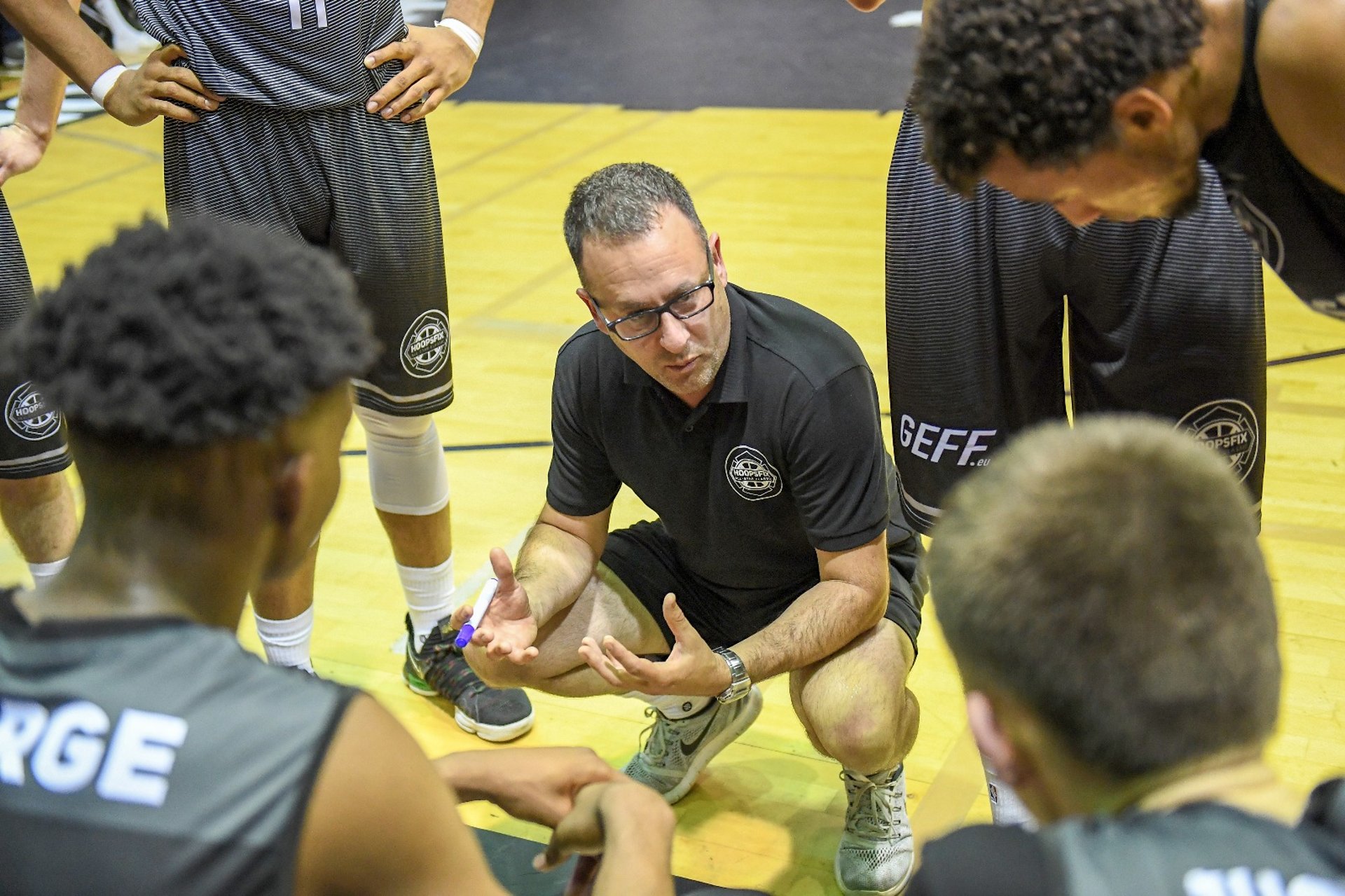
It's the coach who adjusts their communication to connect with each athlete more effectively.
It's the manager who realises that one conversation doesn't land the same way with every team member.
It's the colleague who pauses before reacting and considers another person's perspective.
It's the team that develops a common language for discussing communication, performance, and relationships.
That's where the value lives.
Not in the colours themselves.
But in the conversations they create.
A Different Way to Think About Personality Profiling
So perhaps we need to stop calling it personality profiling altogether.
Because the goal isn't to profile people.
The goal is to help people understand themselves better, understand others better, and communicate more effectively.
The colours are simply the vehicle.
The destination is greater emotional intelligence.
And in sport, leadership, and the workplace, that is often the difference between a group of talented individuals and a truly connected, high-performing team.