What's Next? The Most Important Skill We Rarely Teach
7/17/20263 min read
Throughout this week, we've been exploring a simple but powerful question:
What's next?
It's a phrase that most athletes have heard countless times.
After a mistake, a turnover, a missed shot, a poor decision, or a disappointing result, coaches often encourage athletes to move on and focus on what's next.
The message is important.
The challenge is that we often treat it as a slogan rather than a skill.
We tell athletes to move on.
We tell them to stay mentally tough.
We tell them to be resilient.
But how often do we actually teach them how to do those things?
The reality is that one of the most important skills in sport is the ability to reset after adversity. Yet it is often one of the least intentionally coached.
We spend hours developing technical skills. We invest significant time in tactics, game plans, and physical preparation. But the ability to regain focus after things go wrong is frequently assumed rather than developed.
And that's a problem.
Because sport constantly presents athletes with situations they cannot control.
Referees make decisions they disagree with.
Opponents make big plays.
Teammates make mistakes.
Coaches make decisions they don't like.
Shots get missed.
Passes go astray.
Games don't always go according to plan.
Athletes cannot control any of those things.
They also cannot control what happened five seconds ago.
Whether the previous moment was positive or negative, it is gone.
The only thing an athlete can truly influence is what happens next.
Yet many athletes spend valuable energy focused on everything except that.
A missed opportunity becomes two or three poor possessions because they're still thinking about the mistake.
A difficult referee decision leads to frustration that impacts concentration.
A loss of confidence after an error affects decision-making for the remainder of the game.
In most cases, the mistake itself isn't what hurts performance the most.
It's the inability to move attention back to the present moment.
This is why I believe we need to rethink what it means to be competitive.
Many athletes describe themselves as competitors.
But being competitive isn't about being emotional.
It isn't about arguing with officials.
It isn't about showing frustration when things don't go your way.
My definition is simple:
Being competitive means doing everything you can control to help your team win.
When viewed through that lens, competitiveness becomes less about emotion and more about behaviour.
A competitive athlete gets back on defence after a turnover.
A competitive athlete communicates with teammates after a mistake.
A competitive athlete continues executing their role when confidence is low.
A competitive athlete stays focused on the next possession rather than the previous one.
In difficult moments, competitiveness isn't measured by how strongly you feel.
It's measured by how effectively you respond.
The athletes who perform consistently at a high level aren't the athletes who avoid mistakes.
Every athlete makes mistakes.
Every athlete faces adversity.
The difference is often how quickly they can reset.
Elite performers aren't immune to frustration, disappointment, or self-doubt. They're simply better at recognising those emotions without allowing them to dictate their next action.
They understand that dwelling on the past doesn't improve the future.
Instead, they return their attention to the only place where performance can actually happen: the present moment.
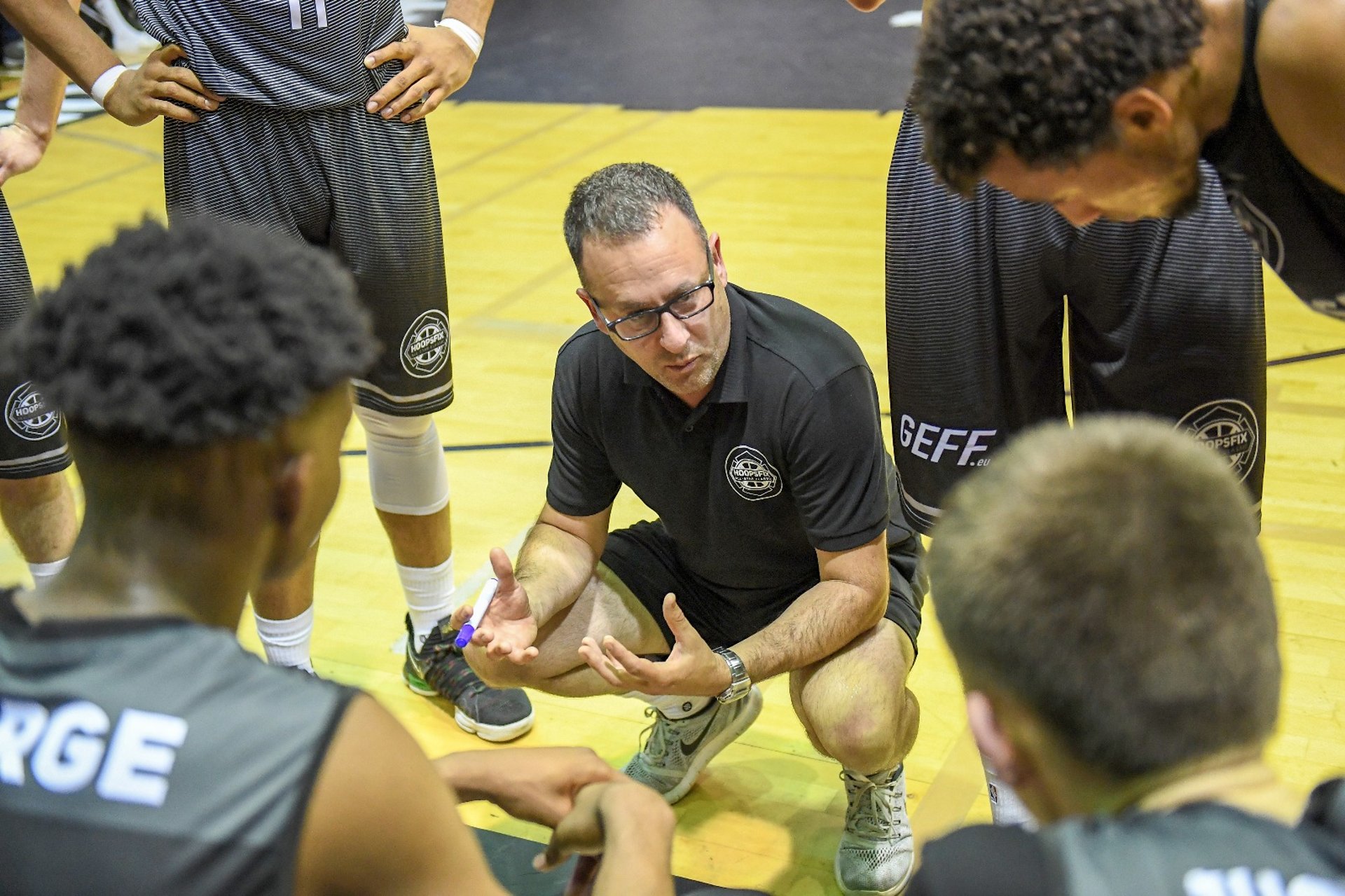
As coaches, we also need to reflect on our role in this process.
How often do we ask athletes to have a "next play mentality" without providing them with strategies to achieve it?
How often do we tell athletes to move on without teaching them what moving on actually looks like?
Perhaps most importantly, how often do we model the behaviour we want to see?
Athletes notice where our attention goes.
If we continue arguing about a referee's decision several possessions later, athletes see that.
If we remain frustrated about a mistake long after it has happened, athletes see that too.
If we want athletes to focus on what's next, we need to demonstrate that mindset ourselves.
Because ultimately, a "What's Next?" mentality isn't about pretending mistakes don't matter.
It's about recognising that once something has happened, our attention is best spent on what comes next.
Every athlete will face setbacks.
Every athlete will experience difficult moments.
The question is not whether adversity will happen.
The question is where your attention goes when it does.
So the next time things don't go your way, ask yourself:
What can I control right now?
What does my team need from me in this moment?
What's next?
Because the most competitive athletes aren't the ones who never make mistakes.
They're the ones who consistently bring their attention back to what they can control and attack the next moment with purpose.