You Train Your Body Every Day. When Do You Train Your Mind?
8/9/20262 min read
Every athlete understands the importance of physical training.
They spend countless hours developing their shooting, passing, fitness, strength and technical skills. They analyse video, complete recovery sessions and look for every opportunity to improve their performance.
Yet there's one area of performance that often gets left to chance.
Confidence.
Resilience.
Emotional control.
Focus.
Self-awareness.
These qualities are often talked about as if they're personality traits. We describe someone as naturally confident or mentally tough, while someone else is labelled as emotional or lacking resilience. The assumption is that these qualities are simply part of who we are.
I don't believe that's true.
These performance behaviours are skills. And like every other skill, they need training.
Think about it for a moment.
No athlete expects their jump shot to improve without practice. No coach expects a player to become stronger without spending time in the gym.
So why do we expect confidence to appear when the pressure is highest? Why do we expect resilience after a mistake, or emotional control when the game is on the line, if we've never deliberately worked on those skills?
The irony is that these are often the qualities that have the biggest impact on performance.
The athletes who recover quickest from mistakes.
The ones who stay composed under pressure.
The ones who communicate positively with teammates when things aren't going well.
These aren't simply talented athletes. More often than not, they're athletes who have developed habits, routines and ways of thinking that allow them to perform consistently, even when the pressure increases.
But this isn't just an athlete conversation.
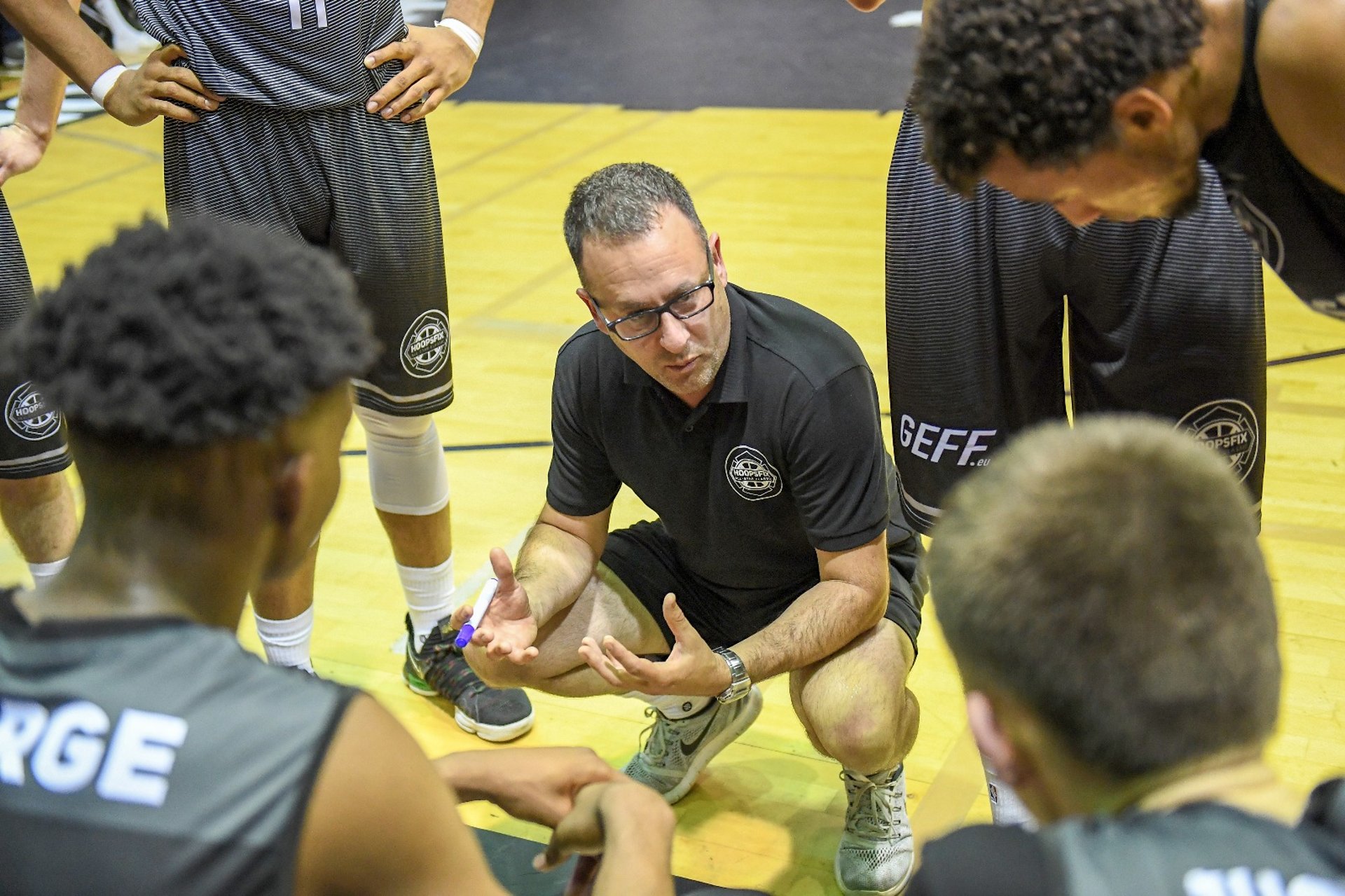
As coaches, we regularly ask our players to be resilient, confident and emotionally controlled.
Yet how often do we deliberately develop those qualities in ourselves?
Do we stay composed when officials make a decision we disagree with?
Do we move on quickly after making a coaching mistake?
Do we model the emotional control we expect from our players?
Or do our behaviours tell a different story?
One of the greatest examples of this comes from Sue Bird. Early in her career, she spoke about feeling the need to prove herself every possession. Over time, she learned to trust her preparation, manage her emotions and lead with consistency. She didn't simply become mentally stronger by accident. She deliberately developed those skills over years of reflection, experience and practice.
That's why I find her story so powerful.
She didn't just train her basketball skills.
She trained the person playing the game.
Whether you're an athlete, coach or leader, the same principle applies.
The skills that matter most under pressure rarely develop by chance. They improve when we intentionally practise them, reflect on them and commit to getting a little better every day.
So here's the question I'd leave you with.
You train your body every day.
When do you train your mind?